Coverages & Datacube Standards:
From Zero to Hero
What to Find Here
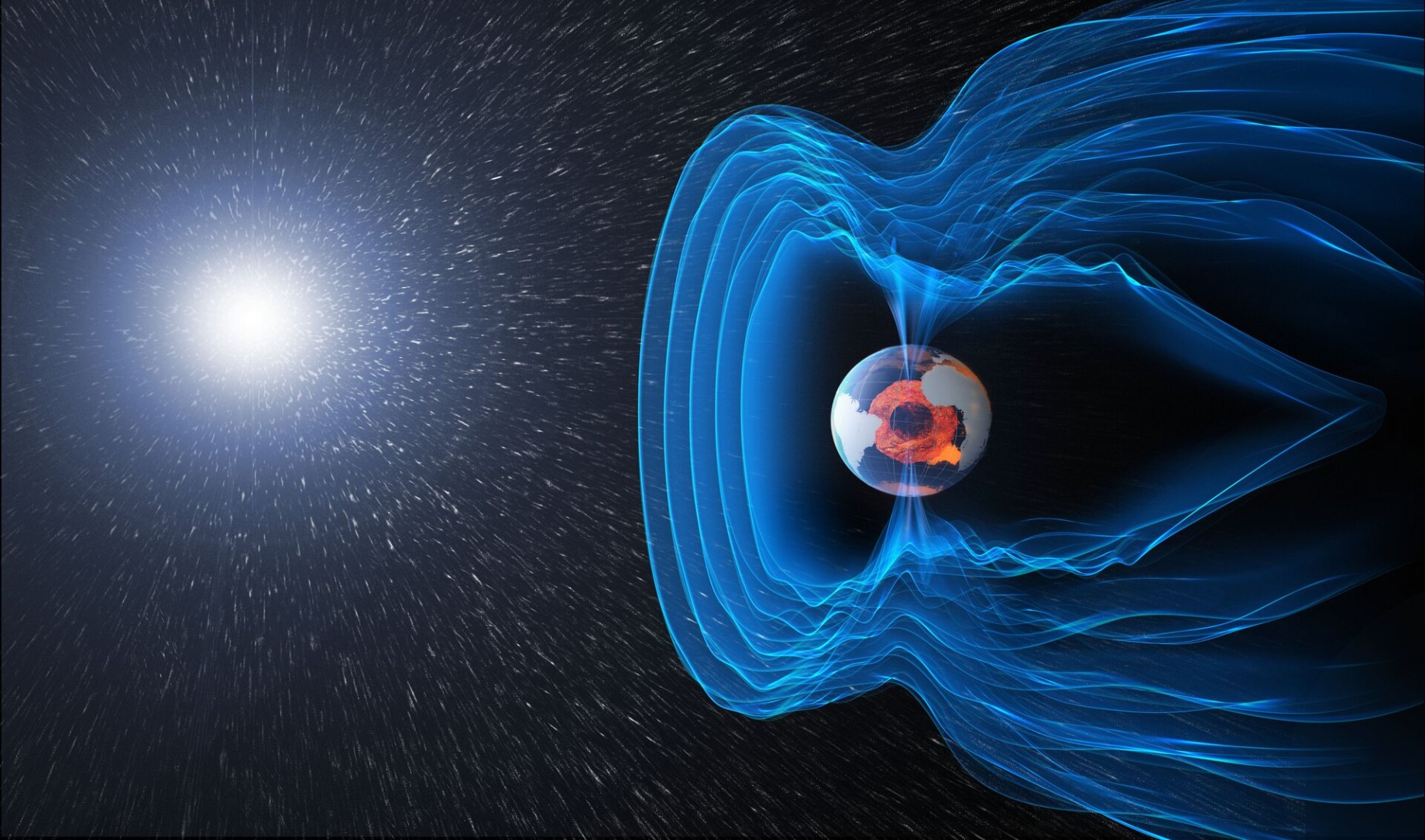
Coverages are the common concept, agreed by all relevant standards in the field, for digital representations of phenomena varying in space and time. As such, they correspond to the concept of "fields" in physics (as in "magnetic field", for example). While coverages in general can be represented as grids, point clouds, and general meshes, in this tutorial we focus on gridded data, also known as "raster data" or "datacubes".
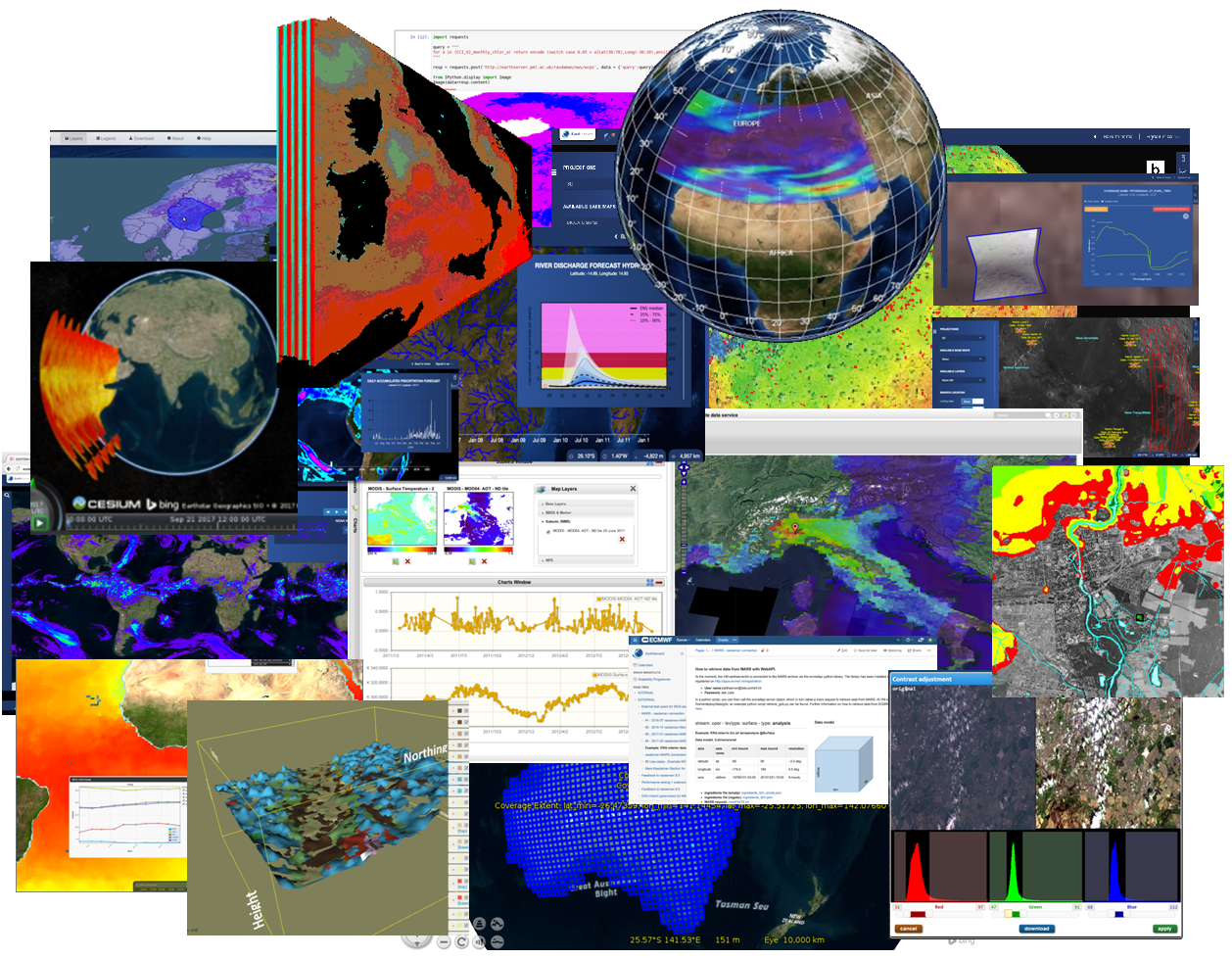
Actionable datacubes, as per the Datacube Manifesto, provide a powerful, yet simplifying paradigm for getting insight from massive spatio-temporal data. Adequate service interfaces like WCPS enable “shipping code to the data” to avoid excessive data transport. Standards-based datacube services are in operational use since many years now, serving multi-Petabyte assets. The figure below shows a kaleidoscope of coverage-enabled services, with their individual portals and clients supported.
A particular asset is given by OGC's rigorous conformance test suite validating implementations down to pixel level. Any implementation can test itself by downloading and executing this free and open test suite.
In a Nutshell:
What is a "Coverage", and what can I do with it?
Coverages, explained:
Still have questions?
We gladly share our experience to answer any questions you may have, from strategic issues down to any technical depth. This can be discussed based on your own data, your own ecosystem requirements, and of course under strict confidentiality (such as under an NDA). Webinars as well as on-site meetings are possible.
Contact us - we gladly share our experience and insight from 20+ years of writing, implementing, and testing OGC, ISO, and INSPIRE standards, implementing them from Raspberry Pi to dozens-of-Petabytes archives.
High-Performance Datacube Engine:
rasdaman
The open-source pioneer datacube engine, rasdaman is OGC Coverages reference implementation.
The rasdaman engine has pioneered Actionable Datacubes® and Array Databases. With its enabling approach of a high-level datacube analytics language -- adopted into ISO SQL -- and underpinned by a po werful datacube architecture with federation, distributed data fusion, AI, highly effective query optimization, and more -- rasdaman remains the gold standard for modern multi-dimensional raster data services, being up to 74x faster than other engines.